The Top 5 Reasons to Choose Locally Grown Produce: Freshness, Sustainability, and Community Impact

Jeanne Horlanda • November 11, 2024

In today’s fast-paced world, it’s easy to overlook where our food comes from. With global supply chains and mass production dominating the market, many consumers find themselves disconnected from the source of their meals. However, a growing movement advocates for buying locally grown produce, highlighting its numerous benefits not just for consumers but for the environment and the community as well. In this blog, we will explore the top five reasons to choose locally sourced produce, emphasizing the freshness, sustainability, and positive community impact it fosters.

1. Enhanced Freshness and Nutritional Value

One of the most compelling reasons to buy local produce is the unmatched freshness it offers. When fruits and vegetables are harvested from nearby farms, they spend less time in transit, meaning they reach your table at peak ripeness. This freshness is crucial because produce that ripens on the plant develops more flavor and retains more nutrients. Unlike store-bought items that can be weeks old, locally sourced fruits and vegetables provide the vibrant taste and nutrition that supports a healthy diet. For instance, studies show that local produce can have higher vitamin C levels, crucial for boosting your immune system. Additionally, knowing where your food comes from fosters a deeper appreciation for the agricultural process, encouraging healthier eating habits. Opting for local produce not only tantalizes your taste buds but also nourishes your body more effectively.

2. Environmental Benefits

Buying locally grown produce significantly benefits the environment by reducing the carbon footprint associated with transporting food long distances. When food travels from farm to table, it often makes its way through multiple distribution points, increasing greenhouse gas emissions at each step. Local produce, on the other hand, often comes directly from nearby farms, meaning less transportation and lower emissions. Furthermore, local farmers frequently engage in sustainable practices, such as crop rotation and organic farming, which enhance soil health and biodiversity. Supporting local agriculture also encourages a return to traditional farming methods that prioritize environmental stewardship. By choosing local, you’re not just making a healthier choice for yourself; you’re actively participating in the fight against climate change and promoting ecological balance.

3. Economic Impact

Purchasing locally grown produce directly supports your community’s economy. When you buy from local farmers, more of your money stays within the community, benefiting other local businesses and creating jobs. According to studies, local farms often create more jobs per dollar than large industrial farms. Supporting local agriculture helps sustain small family farms, preserving the character and culture of your region. These farms are often more connected to their communities, reinvesting their profits back into local projects and initiatives. By choosing local, you’re contributing to a vibrant economy that thrives on cooperation and mutual support. It’s a simple yet powerful way to make a difference and foster economic resilience in your community.

4. Connection to the Community

Buying local produce fosters a deeper connection between consumers and farmers, bridging the gap between food production and consumption. When you purchase from local farmers’ markets or community-supported agriculture (CSA) programs, you have the opportunity to meet the people who grow your food. This relationship enhances transparency in food production, allowing you to ask questions about farming practices and seasonal offerings. Furthermore, this connection cultivates a sense of community and trust, where you can support local initiatives and events. Engaging with local producers can also lead to discovering new flavors and varieties that you might not find in supermarkets. By choosing local, you become an active participant in your community, supporting the people and practices that contribute to a sustainable food system.

5. Seasonal Variety

Local produce offers the unique advantage of seasonality, introducing you to a diverse array of fruits and vegetables that change throughout the year. Eating seasonally means you’re enjoying produce at its best, both in terms of taste and nutrition. For instance, spring brings vibrant asparagus and peas, while summer is abundant with juicy tomatoes and berries. In the fall, you can savor pumpkins and squash, and winter often provides hearty root vegetables. Embracing seasonal eating not only adds excitement to your meals but also encourages you to experiment with new recipes and ingredients. This variety supports a balanced diet rich in different vitamins and minerals. By choosing local, you’re not just enjoying fresh food; you’re also embracing the natural rhythms of agriculture and enhancing your culinary experiences.

Conclusion

Choosing locally grown produce is more than just a trend; it’s a conscious decision that benefits your health, the environment, the economy, and your community. From the enhanced freshness and nutritional value to the significant environmental and economic impacts, buying local fosters a sustainable food system that uplifts farmers and consumers alike. Furthermore, this commitment to local agriculture paves the way for increased agricultural education, ensuring that the next generation understands the importance of sustainable practices and food sources. Engaging with local farmers and programs can provide valuable learning opportunities that inspire a deeper connection to the land and the food we eat.


So the next time you’re at the market or grocery store, consider the power of your choices and opt for locally grown produce. Together, we can create a healthier and more sustainable world, one meal at a time, while also promoting
agricultural education for a brighter future.

July 28, 2026
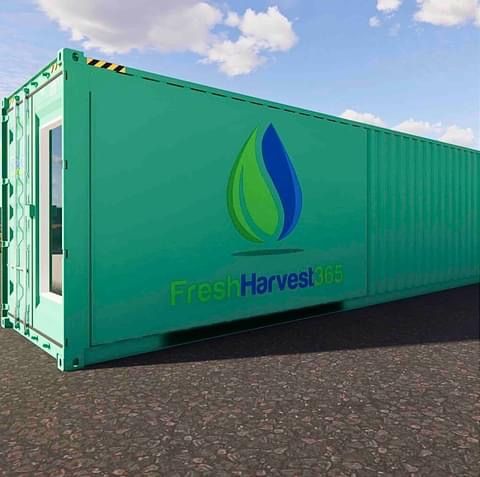
Agriculture has always been an industry built on innovation. From the invention of the plow to modern irrigation systems, each advancement has helped farmers produce more food while using resources more efficiently. Today, agriculture is entering another era of transformation. Emerging technologies are changing how crops are grown, monitored, harvested, and distributed. Farmers now rely on data, automation, artificial intelligence, and controlled growing environments to improve productivity while addressing challenges such as climate change, labor shortages, and food security. These innovations are also creating exciting new career opportunities for students, researchers, engineers, and agricultural professionals who want to shape the future of food production. At Fresh Harvest 365, we believe understanding these technologies is essential to building the next generation of agricultural leaders. Here’s a closer look at three innovations that are redefining modern farming. Precision Agriculture: Farming with Data Precision agriculture uses technology to collect and analyze information about crops, soil, weather, and equipment to help farmers make smarter decisions. Rather than treating an entire field the same way, precision agriculture allows growers to understand the specific needs of different areas within a field. Modern precision agriculture often includes: GPS-guided equipment Soil sensors Satellite imagery Drones Yield monitoring Geographic Information Systems (GIS) Artificial intelligence These tools help farmers determine exactly where crops need additional nutrients, irrigation, or pest management. Benefits of Precision Agriculture Precision farming offers several important advantages: Improved Crop Yields By identifying areas where crops require additional attention, farmers can improve plant health and maximize production. Reduced Waste Water, fertilizer, pesticides, and fuel can be applied only where needed, reducing unnecessary costs and environmental impact. Better Sustainability Efficient resource management helps conserve water, reduce chemical runoff, and improve long-term soil health. Data-Driven Decisions Rather than relying solely on experience, growers can use real-time information to make informed decisions throughout the growing season. Controlled Environment Agriculture (CEA) Controlled Environment Agriculture (CEA) refers to growing crops inside highly managed environments where temperature, humidity, lighting, nutrients, and irrigation can all be carefully controlled. Examples include: Hydroponic farms Vertical farms Greenhouses Indoor farming systems Smart farming containers Unlike traditional farming, CEA allows crops to grow year-round regardless of outdoor weather conditions. At Fresh Harvest 365, controlled environment agriculture plays an important role in helping schools, communities, and organizations introduce students to innovative farming practices through hands-on learning experiences. Why Controlled Environment Agriculture Matters Year-Round Production Growing seasons are no longer limited by weather. Water Conservation Hydroponic systems can use significantly less water than traditional field agriculture because water is continuously recycled. Less Land Required Vertical farming makes it possible to produce food in smaller spaces while maintaining high yields. Consistent Quality Because environmental conditions remain stable, crops often experience fewer weather-related stresses. Automation and Robotics in Agriculture Automation is becoming increasingly common across every area of agriculture. Modern farms now use machines that can plant, spray, harvest, monitor crops, and even identify plant diseases using artificial intelligence. Examples include: Autonomous tractors Robotic harvesters AI-powered cameras Automated irrigation systems Drone crop inspections These technologies help improve efficiency while addressing labor shortages affecting farms across the country. Advantages of Agricultural Automation Increased Productivity Automation allows repetitive tasks to be completed more quickly and consistently. Improved Accuracy Machines can precisely apply fertilizers, pesticides, and irrigation with minimal waste. Enhanced Worker Safety Automation reduces the need for workers to perform hazardous or repetitive tasks. Labor Support As agricultural labor shortages continue, robotics help farms maintain productivity without sacrificing quality. The Growing Role of Artificial Intelligence Artificial intelligence is becoming one of agriculture’s most powerful tools. AI systems can analyze thousands of data points from weather stations, drones, satellites, and sensors to help farmers predict: Crop diseases Pest outbreaks Irrigation needs Harvest timing Yield forecasts Rather than replacing farmers, AI supports better decision-making by providing actionable insights based on real-time information. Technology Is Creating New Agricultural Careers Modern agriculture is no longer limited to traditional farming roles. Today’s industry needs professionals in areas such as: Agricultural Engineering Agronomy Crop Physiology Plant Science Environmental Science Precision Agriculture Data Analytics GIS Mapping Robotics Engineering Controlled Environment Agriculture Agricultural Education Students interested in STEM fields often discover that agriculture offers opportunities to combine science, engineering, technology, and environmental stewardship into meaningful careers. Why Agricultural Literacy Matters Understanding how food is produced benefits everyone—not just farmers. Agricultural literacy helps students and communities understand: Where food comes from How technology supports food production The importance of sustainability Careers available within agriculture The role agriculture plays in local economies Programs that provide hands-on agricultural experiences help bridge the gap between classroom learning and real-world application. Preparing the Next Generation As agriculture continues to evolve, workforce development becomes increasingly important. Apprenticeships, internships, and experiential learning opportunities allow students to: Apply classroom knowledge Develop leadership skills Gain technical experience Learn from industry professionals Explore agricultural career pathways These experiences help prepare future professionals for an industry that continues to embrace innovation. The Future of Farming Technology will continue to reshape agriculture over the coming decades. Emerging innovations may include: Fully autonomous equipment Advanced AI decision support Climate-resilient crop production Smart greenhouses Digital twins for farms Improved carbon management Expanded urban agriculture While technology continues to evolve, agriculture’s mission remains the same: producing safe, nutritious food while caring for people and the environment. Final Thoughts Agriculture has entered one of the most exciting periods in its history. Precision agriculture, controlled environment agriculture, automation, and artificial intelligence are helping farmers improve productivity while creating more sustainable food systems. These technologies are also inspiring a new generation of agricultural professionals who are combining innovation with a passion for feeding communities around the world. At Fresh Harvest 365, we’re proud to support agricultural literacy, workforce development, and hands-on learning opportunities that prepare future leaders to thrive in this rapidly changing industry. The future of farming isn’t decades away—it’s already here. Frequently Asked Questions What is precision agriculture? Precision agriculture uses technology such as GPS, sensors, drones, and data analytics to help farmers manage crops more efficiently and make informed decisions. What is controlled environment agriculture? Controlled Environment Agriculture (CEA) is the practice of growing crops in managed environments such as greenhouses, hydroponic systems, and vertical farms where temperature, light, humidity, and nutrients are carefully controlled. How does automation benefit agriculture? Automation improves productivity, reduces labor demands, increases precision, enhances worker safety, and helps farmers complete repetitive tasks more efficiently. Is technology replacing farmers? No. Technology is designed to support farmers by improving decision-making and efficiency. Human expertise remains essential for successful agricultural operations. What careers are available in agricultural technology? Career opportunities include agricultural engineer, agronomist, crop physiologist, greenhouse manager, hydroponics specialist, data analyst, robotics engineer, environmental scientist, GIS specialist, and precision agriculture technician. Why is agricultural literacy important? Agricultural literacy helps people understand how food is produced, supports informed decision-making, encourages sustainability, and inspires future careers in agriculture.
By Jeanne Horlanda October 6, 2024
Farming at its core is about more than just food—it’s about passing on knowledge and inspiring future innovators in sustainable agriculture. At Fresh Harvest 365, we are dedicated to not only transforming how food is grown but also sharing our expertise with communities and students. By showcasing modern farming practices like container farming and sustainable methods, we aim to build stronger connections between people, their food, and the environment. Through these efforts, we’re cultivating awareness of food security, sustainability, and the future of farming.
By Jeanne Horlanda September 14, 2024
Millions of people worldwide consistently lack access to affordable, wholesome food, making food insecurity a serious problem. The world desperately needs innovative solutions as traditional farming is put under increasing strain by factors such as population expansion, economic instability, and climate change. Growing in popularity as a potential solution, container farming provides a means of growing fresh produce in areas where traditional agriculture is either impractical or not feasible.
By Jeanne Horlanda July 25, 2024
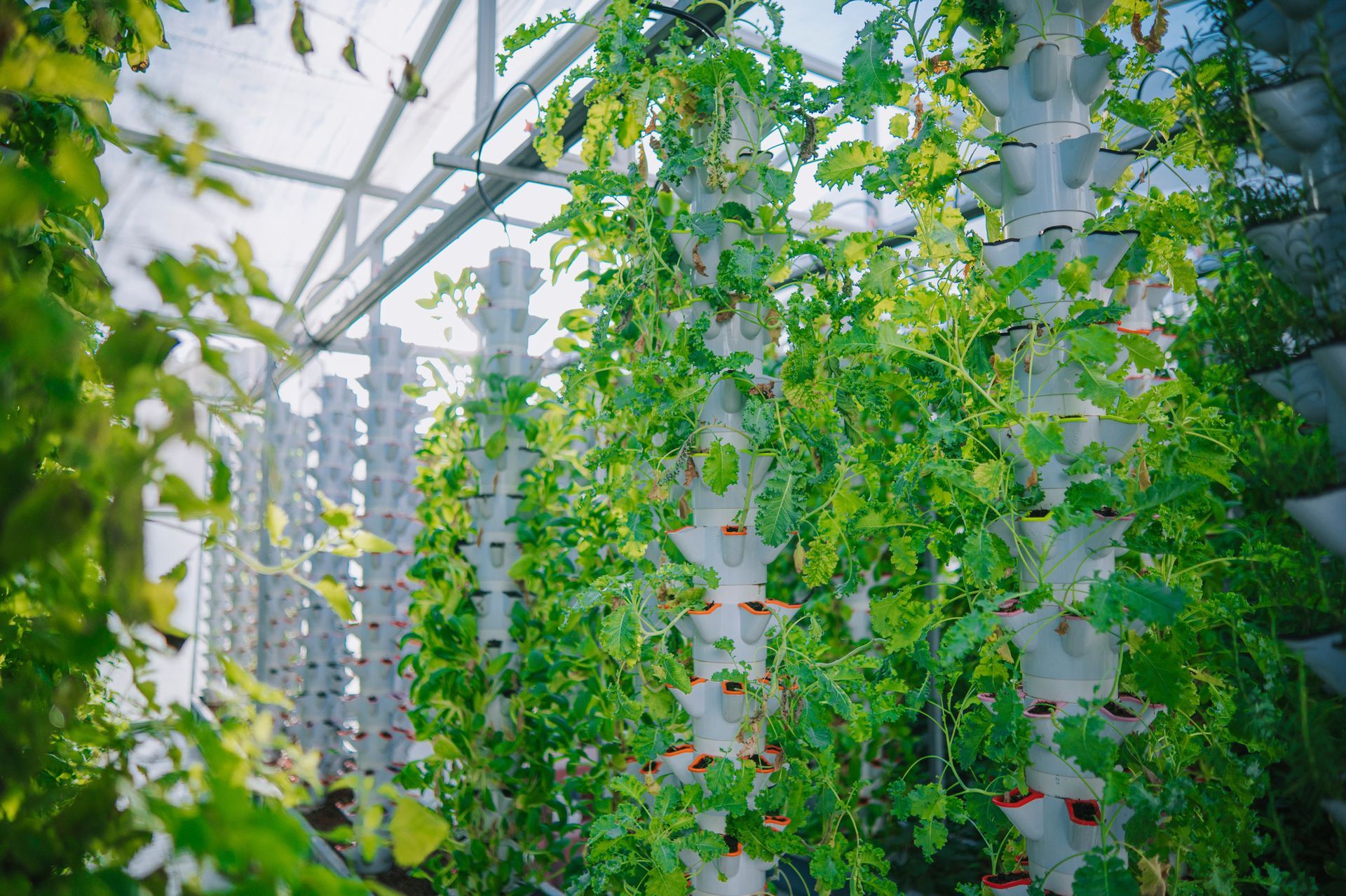
At Fresh Harvest 365, we think that creative, sustainable farming methods are what will shape food production in the future. Everything we do is motivated by our dedication to provide wholesome, fresh products while protecting the environment. By adopting hydroponic farming, we help create a healthier, more sustainable planet in addition to putting premium fruits and vegetables on your table. Come explore our hydroponic methods, hear about our motivational success stories, and learn about our important partnerships.
By Jeanne Horlanda June 27, 2024
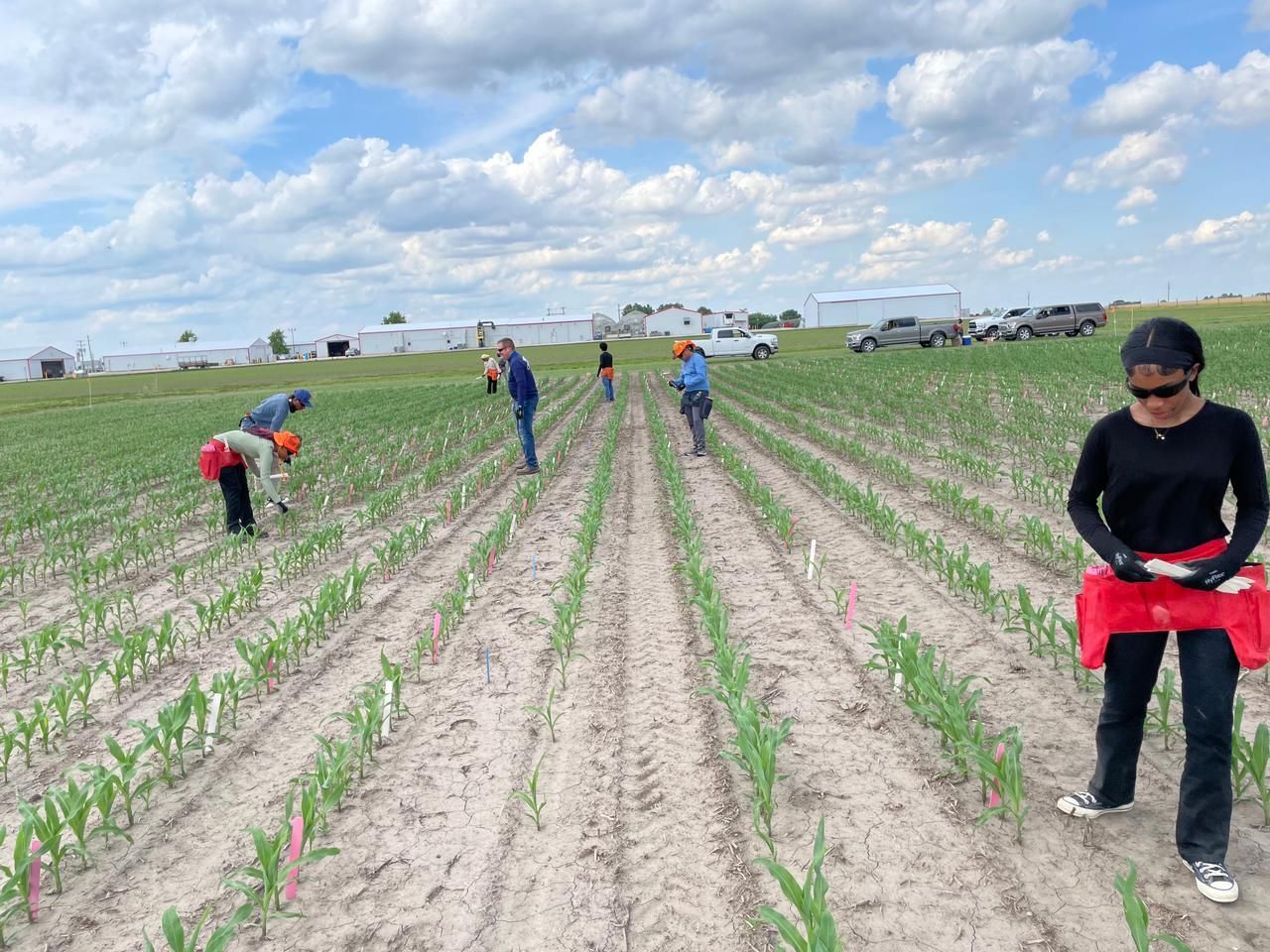
From the first week of June through the end of this month, Fresh Harvest 365 and University City High School (UCHS) have been immersed in an exciting journey with the F.A.R.M. (Future Agricultural Resource Managers) Summer Leadership Internship Program. This collaborative initiative has been a beacon for fostering a deep-rooted passion among select UCHS students for agribusiness, STEM, and sustainable food practices.
By Jeanne Horlanda June 10, 2024
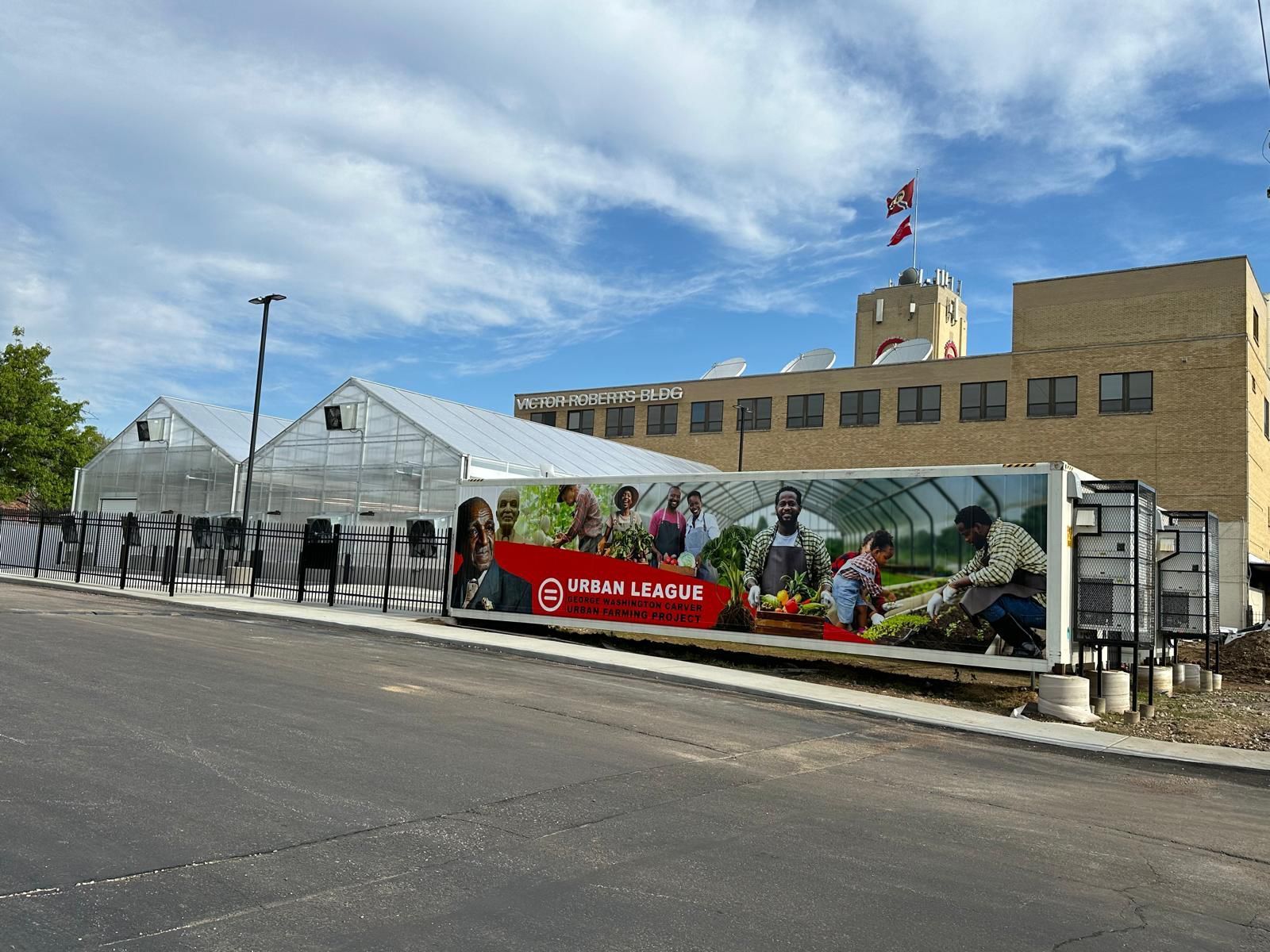
The multi-million dollar greenhouse at the Urban League Headquarters on Kingshighway, St. Louis, is officially open! In terms of urban farming and food security in our community, this cutting-edge facility is a huge milestone. In the center of St. Louis, Missouri, we have the potential to completely transform the food production and distribution process thanks to our state-of-the-art technology and dedication to using fresh, healthful produce. Dedicated to bringing fresh produce to local restaurants, schools, hospitals, and businesses, this state-funded greenhouse is a source of hope in a food desert area, as declared by Missouri Governor Mike Parson.
By Jeanne Horlanda May 31, 2024
As modern agriculture evolves, gardeners and farmers alike are exploring innovative methods to grow their plants more efficiently. Two popular methods used are hydroponics and traditional soil gardening. Each has its own unique advantages and challenges, making it pivotal to understand which method best suits your needs. By understanding the differences between these two approaches, you can make informed choices on the best fit for your gardening goals.
By Jeanne Horlanda May 2, 2024
Agriculture has always served as the cornerstone of food security with modern and traditional agricultural practices meshed together, passing down knowledge is pivotal to shaping and transforming the best farming practices and techniques. In today’s world of transformative and exciting opportunities, understanding agriculture has become more complex yet even more challenging for our future farmers. We’ve come to a point where traditional methods intersect with modern innovations. As we navigate this intersection, questions arise: Which path should we follow to ensure sustainability and productivity? How can we effectively integrate both approaches to meet the demands of a changing world while honoring age-old wisdom? Read on as we explore these questions and delve into the dynamic landscape of agricultural education.
By Jeanne Horlanda April 15, 2024
Explore the transformative benefits of hydroponic farming and the importance of agricultural literacy in maximizing its potential. Learn how educational courses, such as those offered by Fresh Harvest 365, equip farmers with the knowledge and skills needed to thrive in the world of smart farming.
March 25, 2024